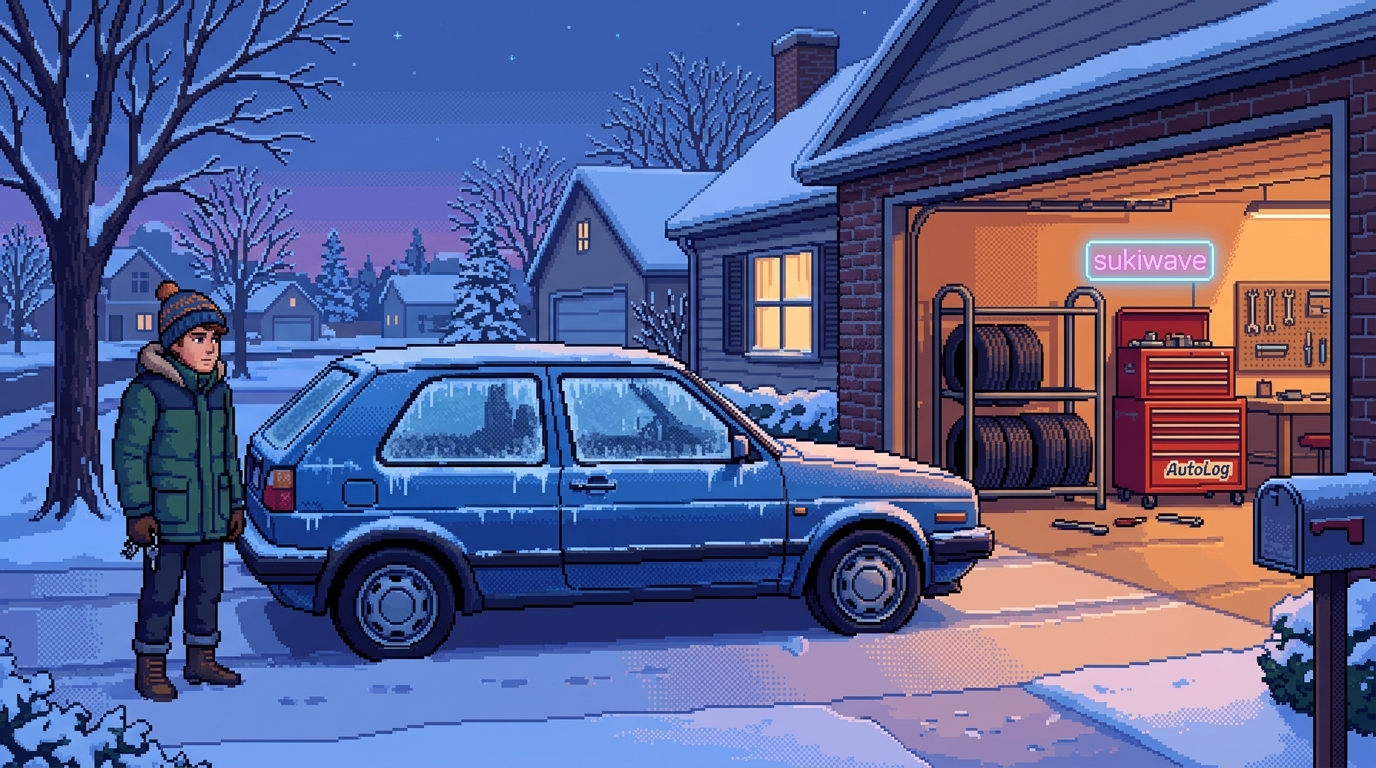
Yanking a frozen car door handle will do one of two things: snap the plastic linkage inside the door, or tear the rubber weatherstripping off the frame.
Either way, you're looking at a $350 repair bill.
Preventing it doesn't take brute force. It takes basic physics.
What Mechanics Do When Doors Freeze Solid:
- Why do car door handles snap in cold weather?
Modern door handles are molded from composite plastic that gets brittle in sub-freezing temperatures. The handle is built to release a latch, not pry open a door glued shut by frozen moisture. - How does pushing on the door help?
Ice is stubborn when you pull against it, but it shatters easily under compression. Pushing your gloved hand firmly against the steel door frame flexes the rubber seal, cracking the ice barrier in seconds. - Can you spray WD-40 on door seals to keep them from sticking?
Never. Petroleum-based sprays degrade and soften synthetic door rubber. Use pure silicone lubricant applied with a rag instead.
Why Modern Handles Snap So Easily
Car door handles used to be cast zinc or stamped steel. If a door froze shut thirty years ago, you could brace your foot against the rocker panel and pull until the ice popped.
Try that today and you'll end up with a broken handle in your hand.
Almost every modern car uses exterior handles molded from reinforced plastic. They save weight and resist road salt, but plastic loses its flexibility once temperatures drop below freezing.
When a door is frozen tight, the latch inside cannot rotate. Yanking on the handle forces that brittle plastic against an immovable steel rod. Something breaks—usually the pivot hinge inside the handle pocket.
Replacing that handle means pulling off the interior door panel, removing the vapor barrier, and buying a color-matched factory replacement. Between parts and labor, a five-second yank easily costs $250 to $450.
It's Not the Handle—It's the Weatherstripping
The door handle isn't actually what's stuck. The rubber gasket is.
Every car door seals against the body with hollow EPDM rubber weatherstripping. These seals cushion the door and keep rain and highway wind noise outside the cabin.
When melting snow or cold rain trickles into the door gap and temperatures drop overnight, that water freezes across the rubber gasket.
Because rubber has a textured surface, the ice locks into it like glue. Pull hard enough, and the ice won't let go of the steel frame—it simply tears the rubber seal straight off its mounting clips.
A torn weatherstrip looks minor, but OEM replacements run $120 to $250. Leave it ripped, and melted snow will leak onto your floorboards while wind whistles in your ear all winter.
The Fix: Push, Don't Pull
When mechanics need to open a frozen car on a shop lot, they don't touch the handle.
They push.
Ice is tough against direct pulling tension, but it cracks easily under compression and shear.
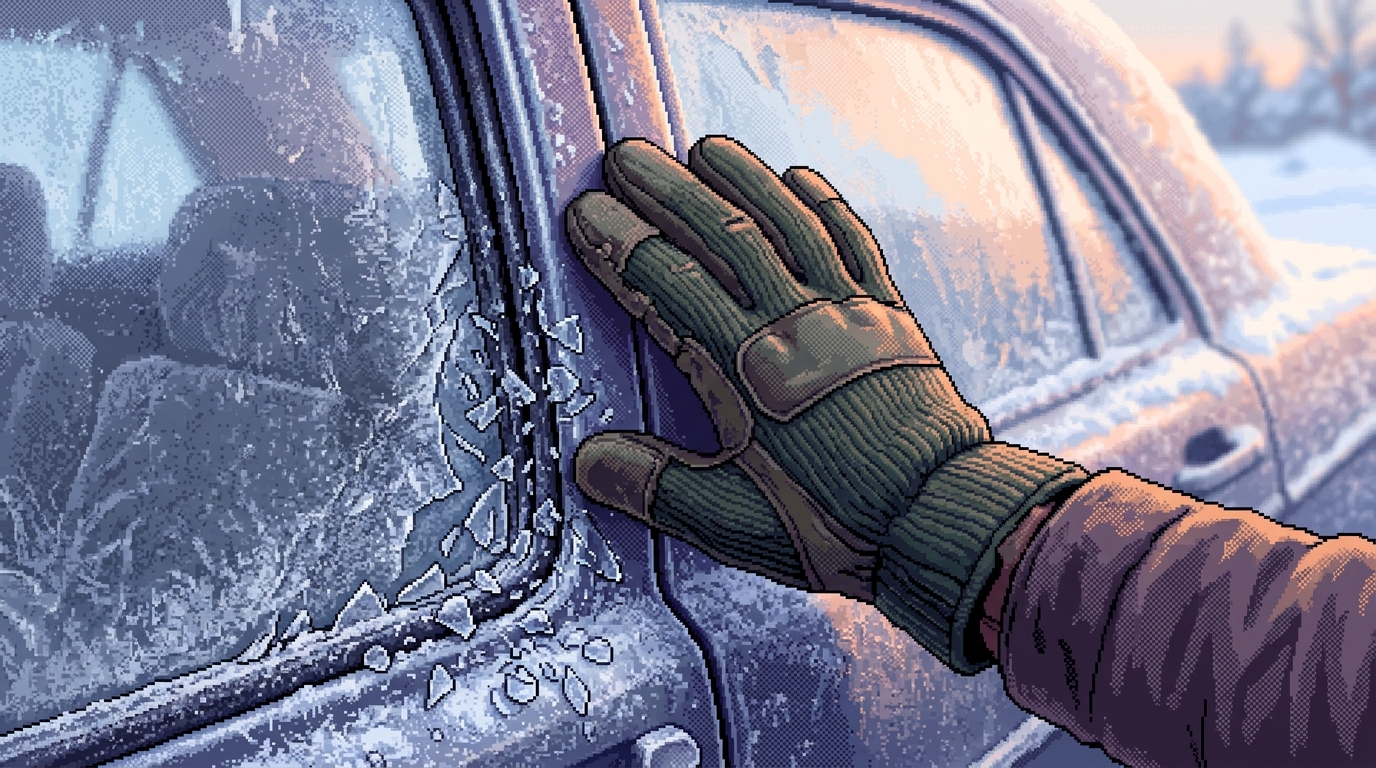
Pressing firmly along the door's steel frame flexes the rubber seal, fracturing the ice bond without stressing the plastic handle.
Here is the five-second technique:
- Leave the handle alone: Don't lift or pull it yet.
- Use the heel of your hand: Put on gloves. Place the heel of your hand against the metal window frame or the upper edge of the door.
- Lean into the car: Push inward firmly against the steel frame.
- Work around the seam: Press the top corner, then down along the pillar.
Pushing inward flexes the hollow rubber weatherstrip against the body. The ice bridge can't flex with it, and you'll hear a distinct crunch as the ice fractures along the seal.
Once you hear that crack, lift the handle gently with two fingers. The door will open normally.
Why WD-40 Destroys Door Rubber
When people get tired of frozen doors, someone always recommends spraying WD-40 or multi-purpose oil along the weatherstripping.
Don't do it.
Standard multi-purpose penetrating sprays rely on petroleum distillates. Petroleum and synthetic door rubber do not mix.
When petroleum solvents sit on EPDM rubber, the rubber absorbs the oil, swells up, and turns soft. Within a few months:
* The gasket deforms and sags out of place.
* The rubber turns gummy, collecting road grit and dirt.
* In summer heat, softened rubber can bake onto your car's paint, pulling off clearcoat when you open the door.
You might stop the ice for a week, but you'll permanently ruin your seals.
The $6 Silicone Solution
The correct fix takes five minutes, costs six dollars, and protects your doors all season.
Use 100% pure silicone spray (or silicone paste like Honda's Shin-Etsu grease). Silicone doesn't degrade rubber, won't soften plastic, and strongly repels water.
Here is how to apply it:
- Clean the seals first: Wipe down all four door gaskets with a damp microfiber towel and rubbing alcohol to remove road grime and salt. Let them dry.
- Spray the rag, not the car: Never spray aerosol silicone directly at the door opening. Overspray gets on your glass and upholstery. Spray the silicone onto a clean rag until damp.
- Coat the rubber: Rub the silicone cloth along the entire length of the weatherstrip, getting inside the folds and along the outer lip.
- Hit the trunk gasket too: Coat the rear hatch or trunk seal while you're at it.
Water can't stick to the lubricated silicone surface. Instead of pooling and freezing against the metal, moisture drains away before it turns to ice.
If You're Already Frozen Out Right Now
If you're stuck outside the car right now:
- Check the other doors: Drivers instinctively yank on the driver's door. But wind and sun hit cars unevenly. Try the passenger side, rear doors, or the hatch. Climb in through another door, start the engine, turn on the heater, and let the cabin thaw the driver's door from the inside.
- Use lukewarm tap water—never hot: If pushing doesn't crack the ice, pour a cup of lukewarm water (about 70°F to 80°F / 20°C to 27°C) along the top seam of the door. It will melt the surface ice in seconds. Never use hot or boiling water—the temperature shock can shatter cold automotive glass instantly.
- Skip the metal tools: Prying at a door seam with a screwdriver or metal scraper will chip the paint down to bare steel, creating an orange rust bubble by spring.
A quick wipe-down with silicone spray and a little grease on your latch mechanisms this weekend will keep your doors opening smoothly all winter long. If you track your seasonal maintenance tasks—like checking battery cold-cranking amps, swapping winter tires, and prepping seals—in a free maintenance tracker like AutoLog, you'll never have to worry about cold weather catching your car unprepared.
Disclaimer: This article is intended strictly for educational and informational purposes. Operating a motor vehicle or performing maintenance during severe sub-freezing weather carries inherent physical risks. Never apply excessive force to automotive glass, body panels, or latching mechanisms. Avoid using open flames, high-heat guns, or boiling liquids on frozen vehicle components, as catastrophic glass failure and paint damage can occur. Always consult your vehicle's factory repair manual for proper trim removal and handle replacement procedures. Sukiwave and AutoLog assume no liability for personal injury, component breakage, or property damage resulting from actions taken based on this editorial content.