There's a specific sinking feeling that happens on a brisk autumn morning.
You sit down in the driver's seat, hit the push-button start, and instead of the engine firing to life, your gauge cluster lights up like a carnival midway. The Check Engine light flashes, ABS warnings chime, and traction control disables itself. Or maybe the car starts fine, but turning on the heater unleashes an unmistakable stench of stale straw, accompanied by a violent vibration from the blower fan.
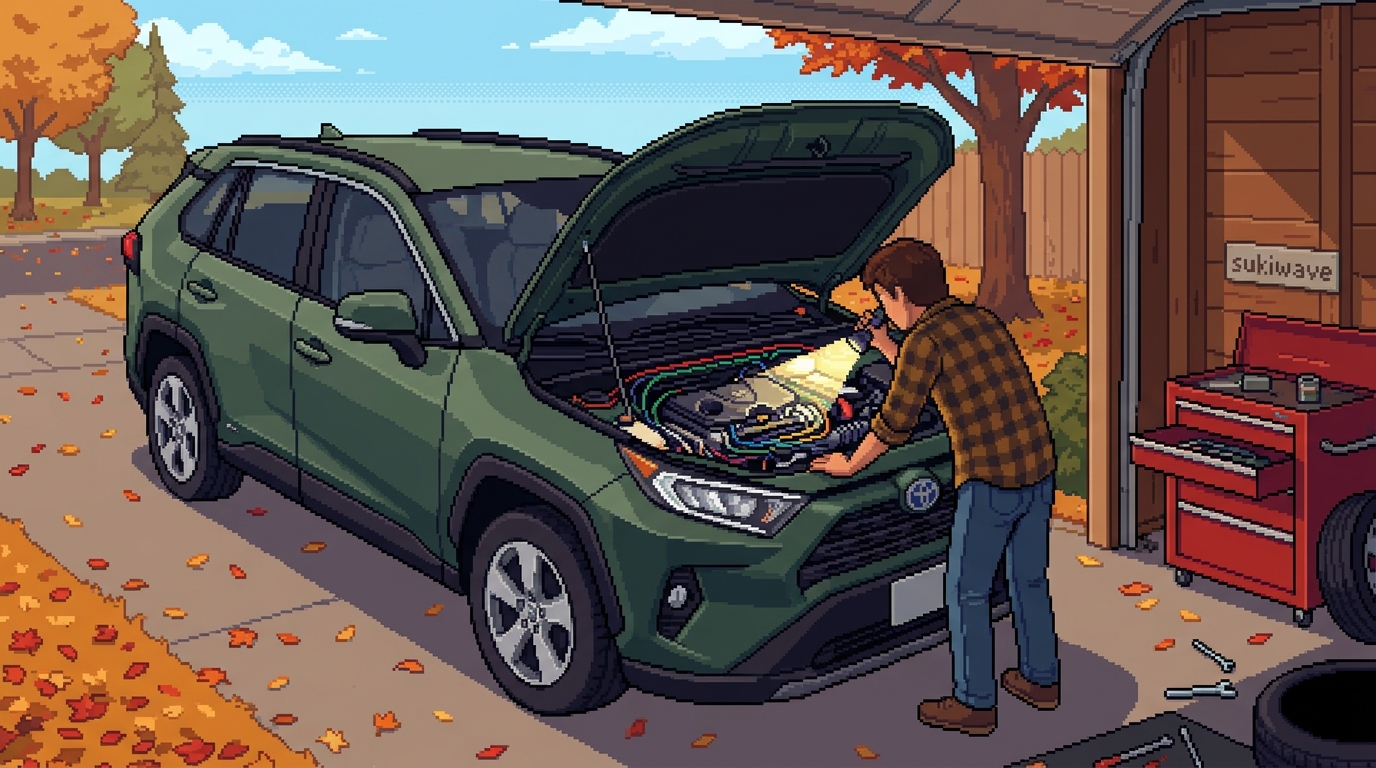
You pop the hood, grab a flashlight, and peer down into the engine bay. Sitting right on top of the intake manifold is a pile of crushed acorn shells, a shredded nest made from your hood's soundproofing insulation, and a colorful confetti of severed copper wires.
Every year between October and November, automotive subreddits and garage counters across North America get hit with the same expensive horror story: a car that ran perfectly yesterday morning just suffered thousands of dollars in chewed wiring overnight.
And if you ask the internet how to fix it, you'll be told to stick dryer sheets in the battery tray or spray peppermint oil around the belts. Unfortunately, while those folksy hacks sound convenient, mechanics pull mouse nests wrapped in dryer sheets out of intake plenums all season long.
Protecting your engine from autumn invaders requires understanding why rodents target modern cars in the first place, and applying fixes that actually respect basic rodent biology.
What Every Driver Needs to Know About Rodents in the Engine Bay:
-
Why do mice target modern cars when the weather turns cold?
As night temperatures drop toward freezing, an engine block that ran during your evening commute retains pleasant radiant heat for hours. It offers shelter from wind, rain, and predators. On top of that, modern wiring insulation uses soy-based plasticizers, which smell and taste far more appealing to rodents than old petroleum rubber. -
Why are wiring harness repairs so outrageously expensive?
Modern vehicles use complex, multiplexed wiring bundles tied into sensitive computer modules. While an open, easy-to-reach wire can be spliced and heat-shrunk for an hour's labor, mice frequently chew harness branches buried deep behind the firewall or directly at multi-pin engine control connectors. When that happens, factory repair protocols often require replacing the entire harness assembly, leading to $2,500 to $5,000 repair bills. -
Do peppermint oil, mothballs, or dryer sheets actually work?
In reality, almost never. Peppermint oil evaporates within hours under high engine heat, dryer sheets are happily shredded by mice into soft bedding within 48 hours, and mothballs release toxic fumes that get sucked straight through your cabin air filter into your lungs. -
What is the proven mechanical defense?
The gold standard is physical barrier protection (installing 1/4-inch galvanized hardware cloth over exposed cowl air intakes) combined with genuine OEM capsaicin-infused electrical tape (chili pepper tape), which triggers a natural burning reflex that rodents learn never to touch again.
The Great Soy Debate: Why Modern Wire Coating Attracts Rodents
If you drive a car built in the last fifteen to twenty years, your engine bay is wired differently than cars from the 1980s.
During the early 2000s, automakers made a concerted push toward sustainability and environmental compliance. One major change was phasing out purely petroleum-based plastics and heavy-metal plasticizers in automotive wiring. In their place, manufacturers adopted bioplastics—primarily derived from renewable agricultural sources like soybean oil and polylactic acid (PLA) blends.
Automakers have long argued that rodents are gnawing animals whose incisors grow continuously, meaning they chew on plastic, rubber, wood, and drywall simply to grind their teeth down. Multiple class-action lawsuits brought against major brands were dismissed by courts for this very reason: plaintiffs couldn't prove rodents wouldn't chew petroleum rubber just as aggressively.
That legal ruling is technically true—mice will chew almost anything when trapped. But any veteran mechanic who has spent twenty autumns under vehicle lifts will tell you that the shift to bio-plastics changed the equation. Soybean-based insulation retains subtle organic odors and organic fatty compounds that rodent noses detect from yards away. To a hungry field mouse looking for a warm winter den, a flexible, soy-coated knock-sensor wire smells less like industrial chemical piping and a lot more like food.
The $3,000 Invoice: Anatomy of a Chewed Harness
When mice chew wiring in a modern vehicle, the financial damage rarely stops at a single broken wire.
In older vehicles with simple 12-volt circuits, fixing a chewed headlight lead was a straightforward ten-minute job: strip both ends, slide on heat-shrink tubing, solder the copper joint, and wrap it in vinyl tape.
In modern vehicles, however, the wiring harness is the central nervous system of a rolling computer network:
- CAN Bus and Shielded Signal Lines: Modern sensors—such as oxygen sensors, throttle body actuators, and wheel speed sensors—communicate over high-speed Controller Area Network (CAN bus) twisted pairs or shielded signal wires. Soldering these wires can introduce resistance variations that cause erratic sensor voltages, ghost check-engine codes, and safety system faults.
- Chewed at the Connector Base: Rodents love tight, tucked-away crevices. They don't usually chew the wire in the middle of a wide, open run; they chew it flush against the plastic weather-pack connector where the harness plugs into the Engine Control Module (ECM) or transmission valve body. You cannot easily strip or splice a wire when there's zero exposed copper left at the pin.
- Factory Repair Liability: Most franchised dealerships and insurance adjusters follow strict manufacturer guidelines: they will not solder multi-circuit safety harnesses. If a main harness is chewed, their only authorized repair is ordering a brand-new factory harness, which costs $1,200 to $2,500 in parts alone, plus 12 to 18 hours of labor tearing apart the intake manifold, battery tray, and firewall grommets.
Comprehensive auto insurance often covers rodent damage under 'vandalism and animal incidents,' but you are still responsible for your deductible—typically $500 to $1,000—and you risk an insurance claim mark on your policy record.
Why Common Folk Remedies Fail in Real Garages
Search any automotive forum for 'mice in my car,' and you'll find a dozen household remedies recommended with absolute confidence. Let's look at why seasoned technicians roll their eyes at them.
Dryer Sheets (Bounce Sheets)
The theory claims that the strong synthetic perfume of laundry dryer sheets overwhelms a mouse's sensitive sense of smell. In practice, this trick fails within two or three days. Once the ambient scent fades slightly, mice discover that woven polyester dryer sheets make wonderfully soft, warm insulation. Pop the hood on a car parked outside in late October, and you'll often find a cozy mouse nest made of dryer sheets resting directly on the intake manifold.
Peppermint Oil Sprays
Pure peppermint essential oil does irritate rodent nasal passages—when it's fresh and concentrated. But an engine compartment regularly reaches operating temperatures of 195°F to 220°F (90°C to 105°C). The heat generated by your daily commute flash-evaporates essential oils within hours. Furthermore, repeatedly spraying flammable oil mixtures over hot alternators and exhaust shields creates a genuine engine fire risk.
Ultrasonic Buzzers and Strobe Lights
Small battery-powered ultrasonic buzzers sold online claim to emit high-frequency sound waves that drive pests away. While a sudden sound may startle a mouse for the first twenty minutes, rodents are remarkably adaptable urban survivors. Within forty-eight hours, they realize the high-pitch noise poses zero physical threat and simply ignore it. Meanwhile, that cheap device wired to your battery posts creates a continuous parasitic draw that leaves you with a dead battery on the first freezing morning.
Mothballs (Naphthalene)
Tossing mothballs under the hood is not just ineffective; it's dangerous. Mothballs are classified as toxic pesticides. When your vehicle's climate control system pulls fresh air from the windshield cowl, it draws toxic naphthalene vapors directly through your cabin air filter and into your lungs. Never use mothballs inside or around a motor vehicle.
The Battle-Tested Fixes That Actually Work
If household tricks fail, how do you reliably protect a $30,000 vehicle from rodents during the cold months? Mechanics and fleet operators rely on two primary lines of defense: chemical deterrence that causes physical discomfort, and impenetrable physical barriers.
1. Genuine Capsaicin-Infused Rodent Tape
Many drivers are surprised to learn that automotive engineers took this problem so seriously that they engineered an official OEM countermeasure.
Honda manufactures and sells an official Rodent-Proof Electrical Tape (OEM Part #4019-2317). While made by Honda, this tape works on any vehicle brand. It looks like heavy-duty yellow electrical tape printed with warning graphics of a mouse with a slash through it.
The secret lies in the adhesive and PVC backing: it is infused with concentrated capsaicin—the active chemical that makes chili peppers blisteringly hot. When a mouse, squirrel, or rat bites into the tape, the capsaicin instantly activates heat receptors in its mouth and mucous membranes. The experience is intensely unpleasant, non-lethal, and creates an instant conditioned aversion. They drop the wire and do not return.
- How to apply it: Wrap it in a half-lap spiral around vulnerable exposed harness bundles, particularly near the firewall, under the engine cover, and around knock-sensor branches.
- Safety Rule: Always wear disposable nitrile gloves when handling this tape, and wash your hands thoroughly afterward. Touching your eyes after applying capsaicin tape will feel like getting hit with pepper spray.
2. 1/4-Inch Hardware Cloth on Cowl Air Intakes
Mice don't just want to chew wires under the hood; they love chewing through your cabin air filter to build nests inside your heater blower wheel.
The primary entry point into your vehicle's cabin is the fresh-air intake hole hidden underneath your plastic windshield cowl. Plastic grill slots have gaps large enough for a young field mouse (which can squeeze through any opening the size of a dime).
To stop this permanently:
- Remove the plastic cowl clips under the windshield.
- Measure the opening of the cabin HVAC fresh air duct.
- Cut a piece of 1/4-inch galvanized wire mesh (hardware cloth) using tin snips, leaving a 1-inch overlap.
- Secure the wire mesh over the duct opening using stainless steel self-tapping screws or automotive-grade silicone adhesive.
A mouse can easily chew through cardboard, plastic mesh, and rubber, but galvanized steel wire stops them cold.
3. Eliminate Engine Bay Odor Markers
Rodents navigate by scent trails. If a mouse visited your engine bay last night, it left microscopic urine drops marking the vehicle as safe territory.
Whenever you spot acorn debris or nesting material:
- Wear gloves and a mask, and thoroughly vacuum out the debris.
- Wipe down the metal and plastic surfaces with a mild degreaser or soapy water solution to neutralize scent pheromones.
- Avoid parking over tall grass, leaf piles, or near outdoor trash cans where rodent activity peaks during early autumn.
Weekend Checklist: A 20-Minute Fall Habit
Preventing a multi-thousand-dollar wiring repair doesn't require complex tools or endless weekend hours.
This weekend, take twenty minutes while checking your engine oil to pop the hood and shine a flashlight into the dark corners:
- Check the recessed pockets around the intake manifold and battery tray for acorn shells, dried leaves, or droppings.
- Inspect the exposed wiring looms near the firewall for telltale fraying or chew marks.
- Pop off your plastic cosmetic engine cover (most pull straight up on rubber grommets) and inspect the sensor harnesses underneath.
If you like keeping a meticulous maintenance file, take a quick photo of your clean engine bay and log your seasonal inspection alongside your winter tire prep in a free tracking app like AutoLog. Establishing an annual autumn check habit is the simplest way to catch unwanted visitors early—keeping your wiring intact, your dashboard clear of error lights, and your wallet protected from a $3,000 surprise.
Disclaimer: This article is intended strictly for educational and informational purposes. Working in vehicle engine compartments involves sharp metal edges, electrical circuits, and potentially hazardous biological waste. Always ensure the vehicle is turned off, the engine is fully cool, and the negative battery terminal is disconnected before handling exposed electrical wiring. Wear proper personal protective equipment (gloves and eye protection) when handling capsaicin tape or cleaning rodent debris. Sukiwave and AutoLog assume no liability for vehicle damage, electrical malfunctions, or personal injury resulting from actions taken based on this content.